
Environmental Research & Sustainable Design
Transforming the Built Environment Through Research, Innovation, and Action
At JoT Architecture, sustainability is more than a design strategy — it’s a responsibility. Our work bridges environmental research and architectural practice to reduce carbon emissions, improve building performance, and support long-term ecological resilience.
With decades of experience in sustainable housing studies, retrofit strategies, and off-grid design, our Ottawa-based team collaborates with government, non-profits, and Indigenous communities to lead projects that go beyond compliance — creating measurable environmental outcomes.
Our Research
COMMUNITY ENVIRONMENTAL RESEARCH PROJECT
& HOUSEHOLD ENVIRONMENTAL MONITORING PROJECT
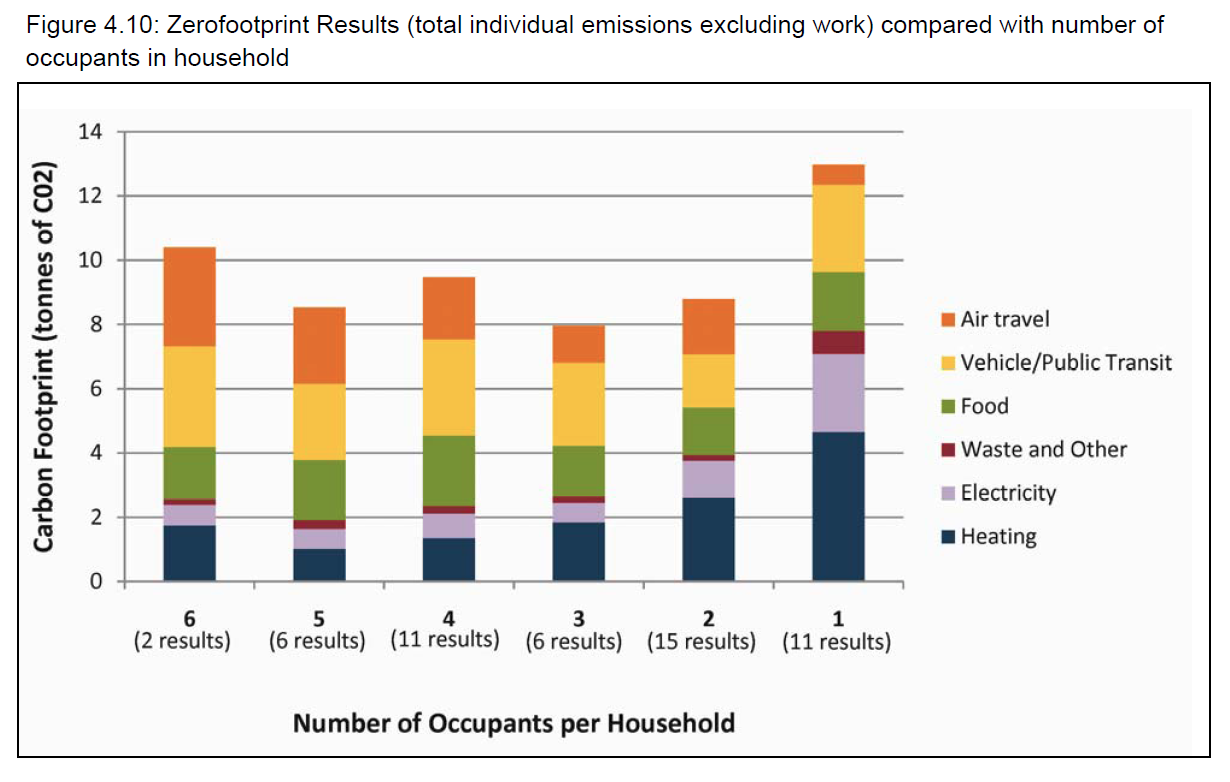
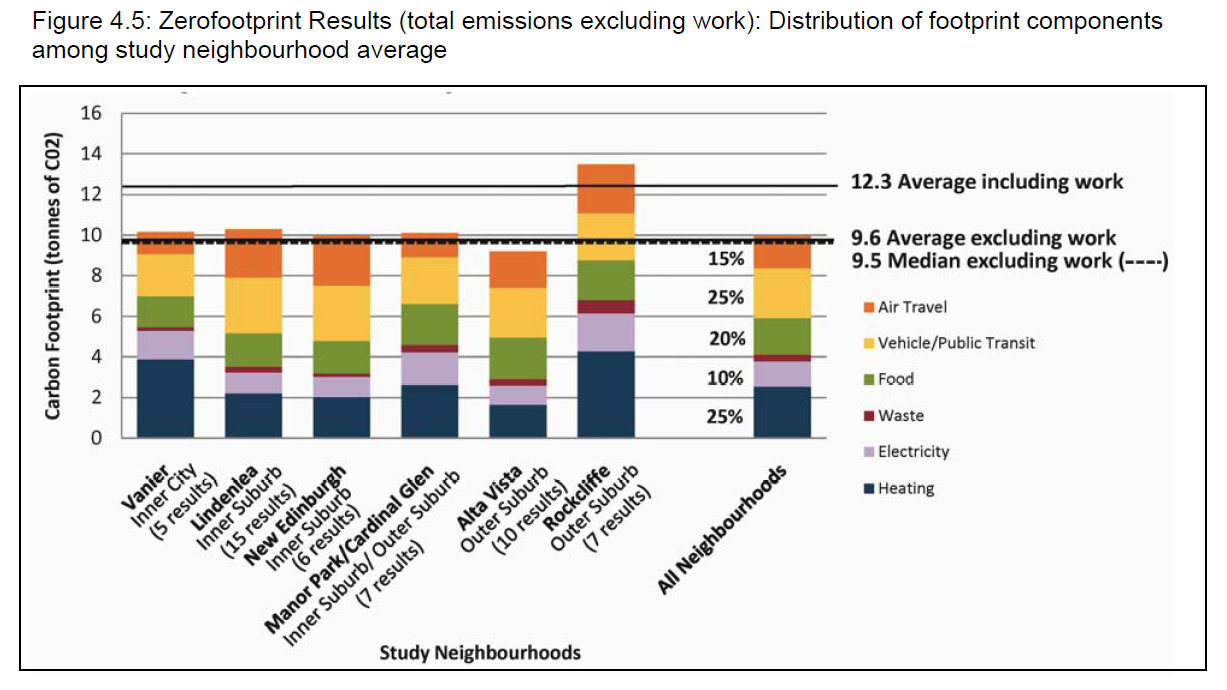
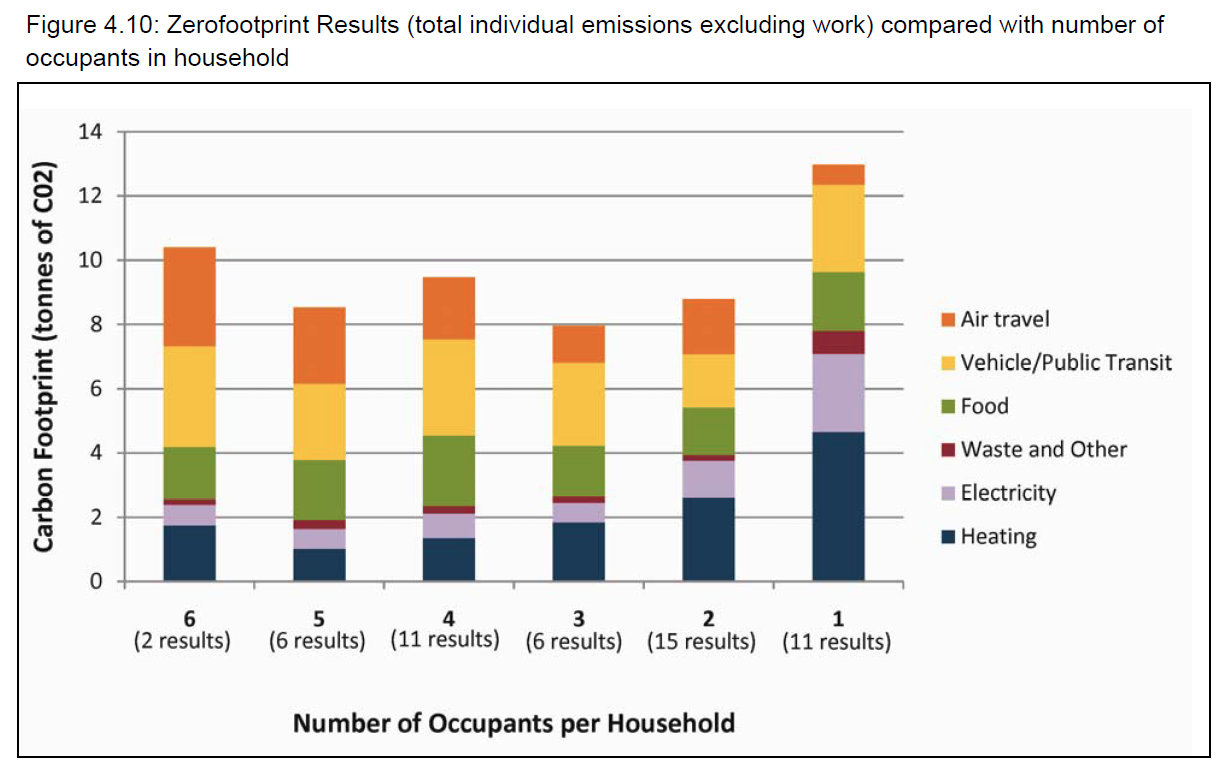
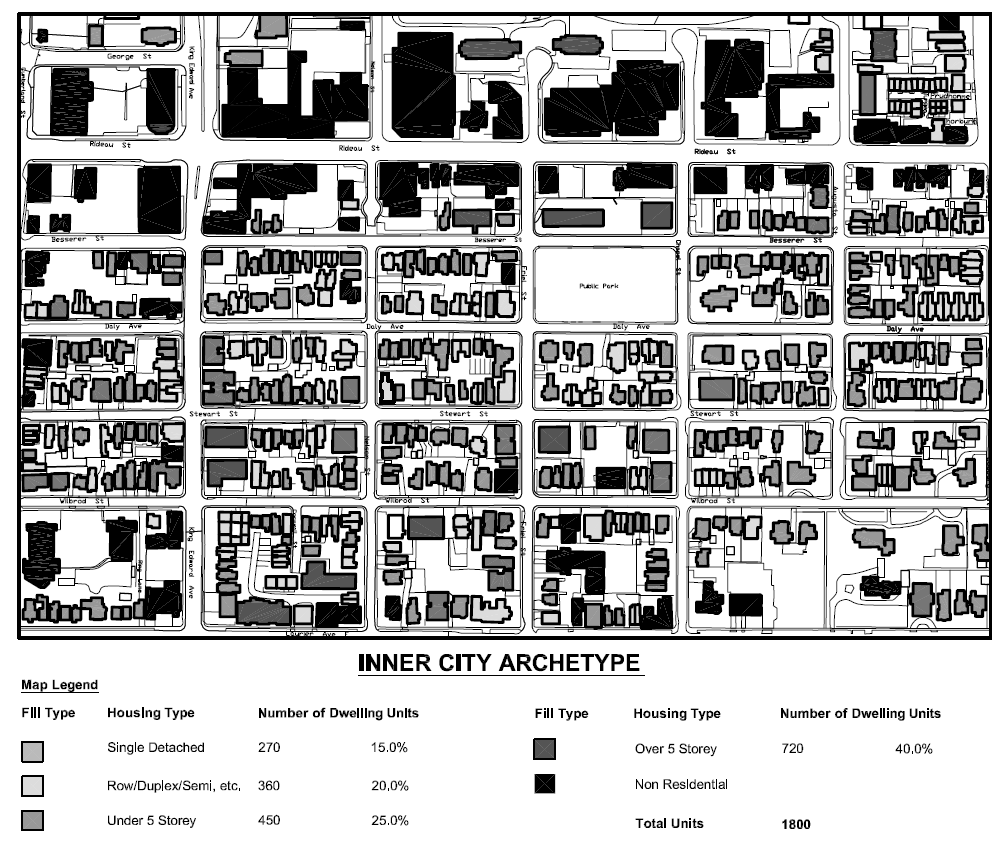
Analysis of the potential to reduce the environmental impact of 100 households in five adjacent neighbourhoods by working with community environmental groups and a City of Ottawa carbon footprint calculator, carried out through the CMHC External Research Grant Program. The research included developing a technique for monitoring the environmental impact of households, assessment of the reasons for dramatic variations between households, and recommendations for the most cost effective methods for reducing environmental impact. The research project produced a 12% reduction in greenhouse gas (GHG) emissions by participating households.
ASSESSMENT OF THE CANADIAN HOUSING
SECTOR'S IMPACT ON THE ENVIRONMENT
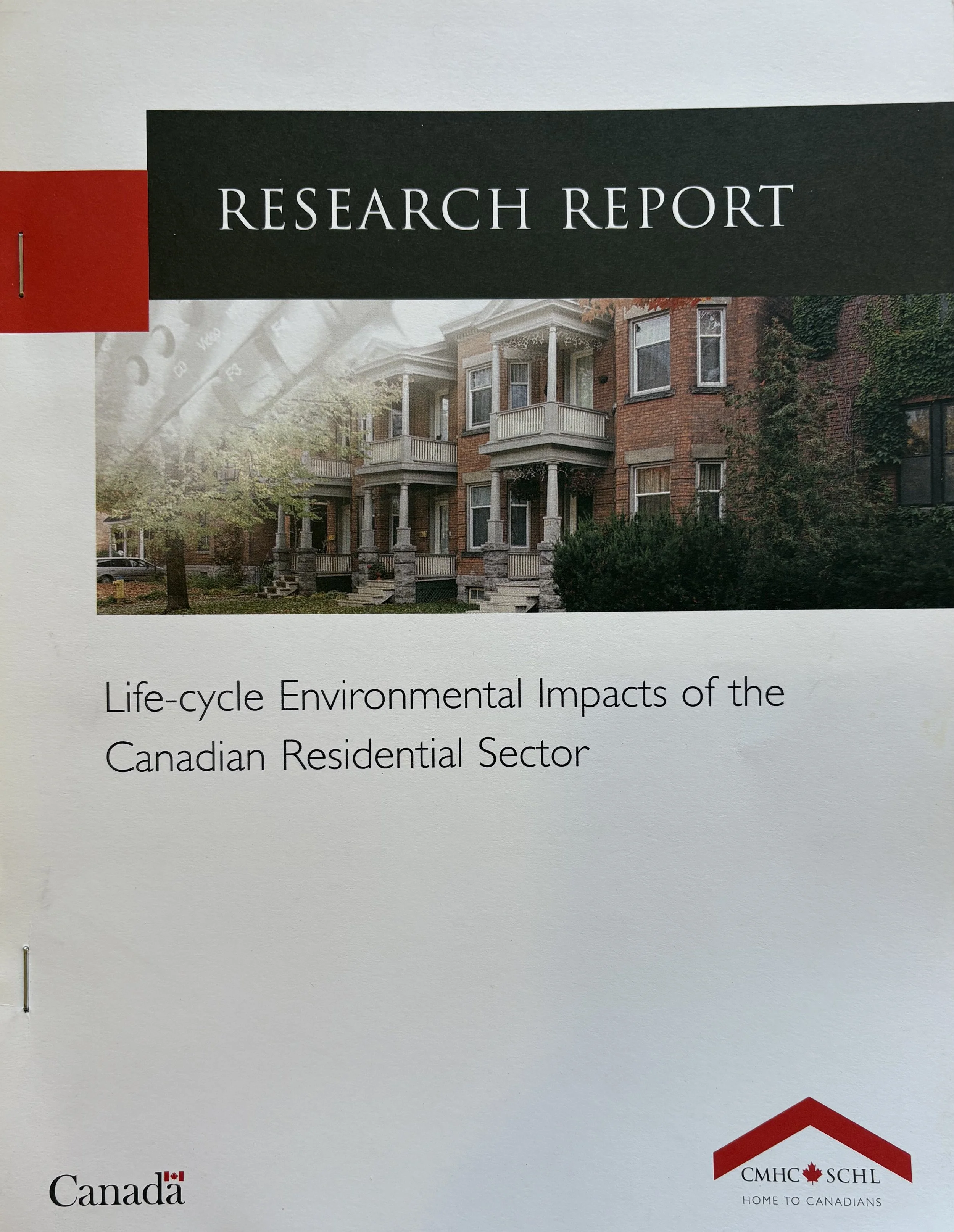
Analysis of the relative and combined environmental impact of Canada’s existing housing stock including lifecycle and operating impacts from different dwelling types and neighbourhood settings, and a projection of the existing situation to 2025. Creation of a database which makes possible an analysis of all the individual components affecting environmental impact and an examination of alternative future scenarios. Prepared in collaboration with Marbek Resource Consultants and the Athena International Institute.
KAHNAWÀ:KE SUSTAINABLE COMMUNITY
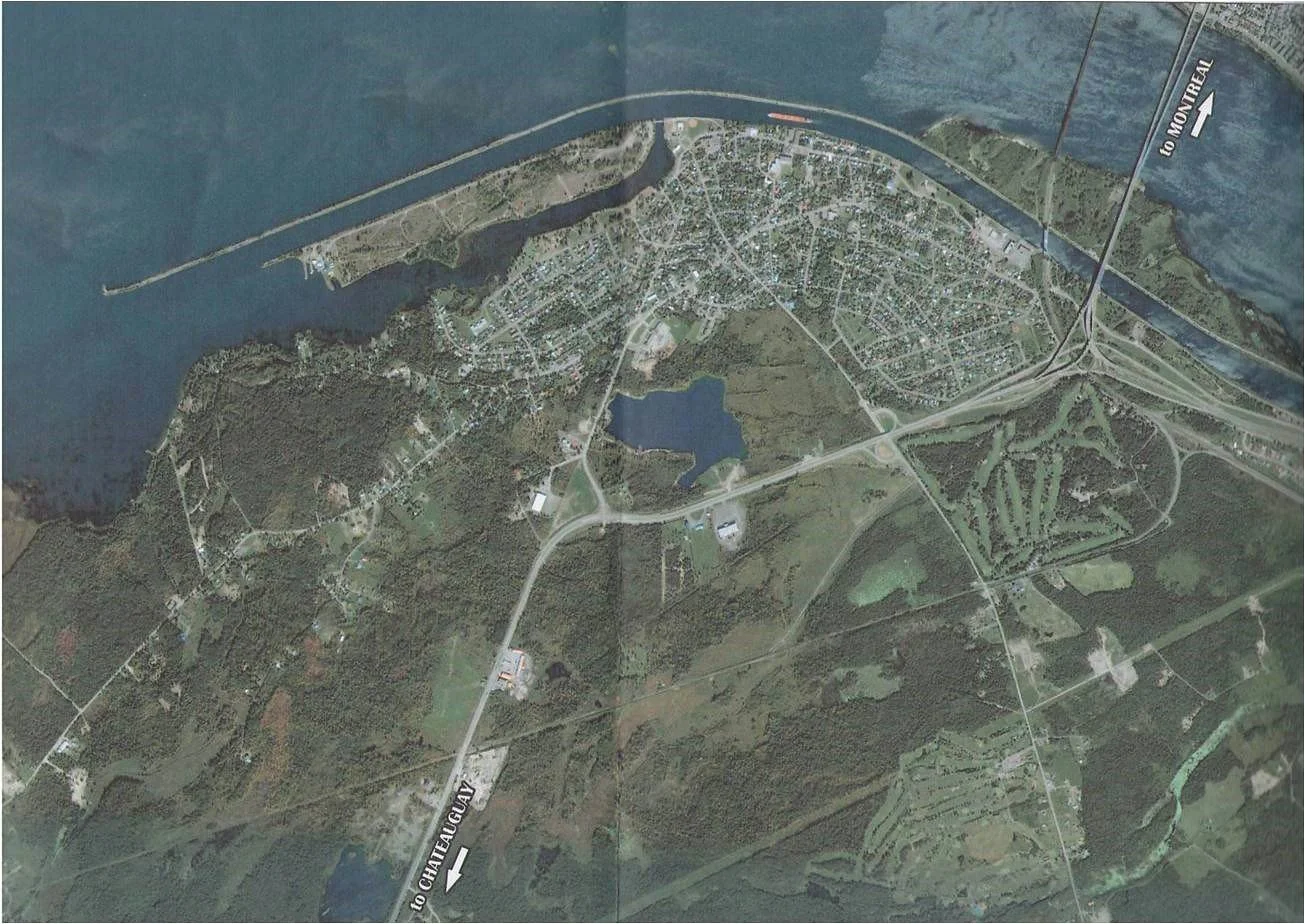
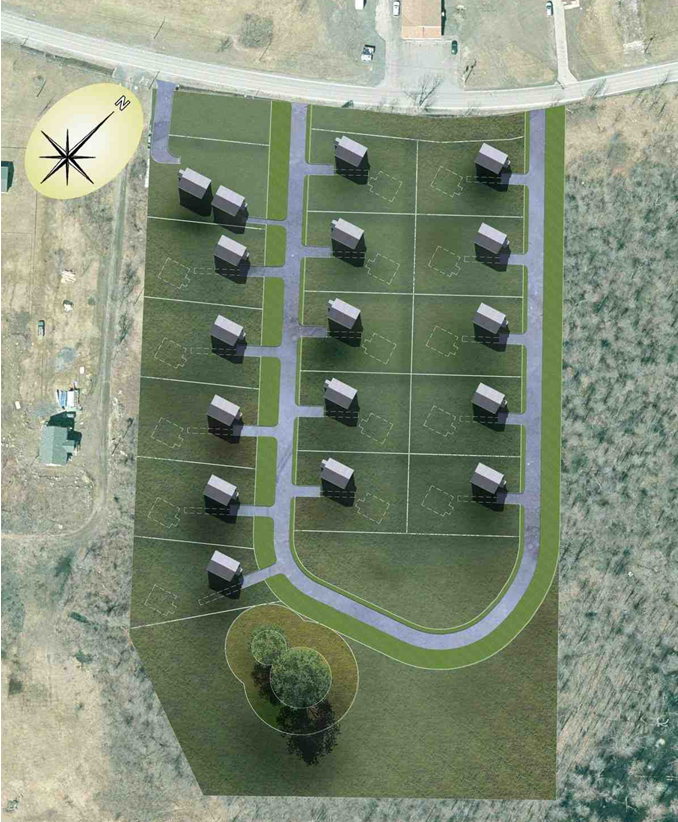
Review of the design and research carried out between 1997 – 2008 for the development of the Kanata Healthy Neighbourhood, a new development modeled on sustainable design principles and strategies for increasing knowledge and skills among community members. The assessment included consideration of cultural, social and economic factors, neighbourhood infrastructure, urban layout, architectural design and construction.
Our Projects
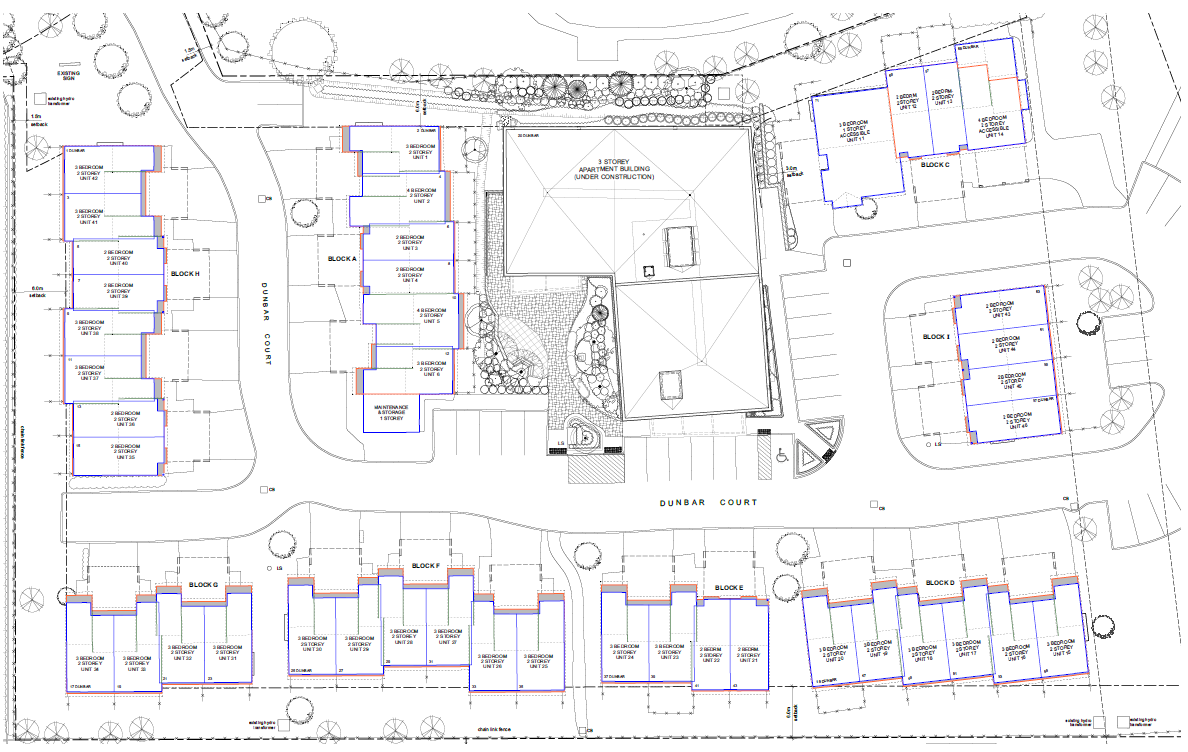
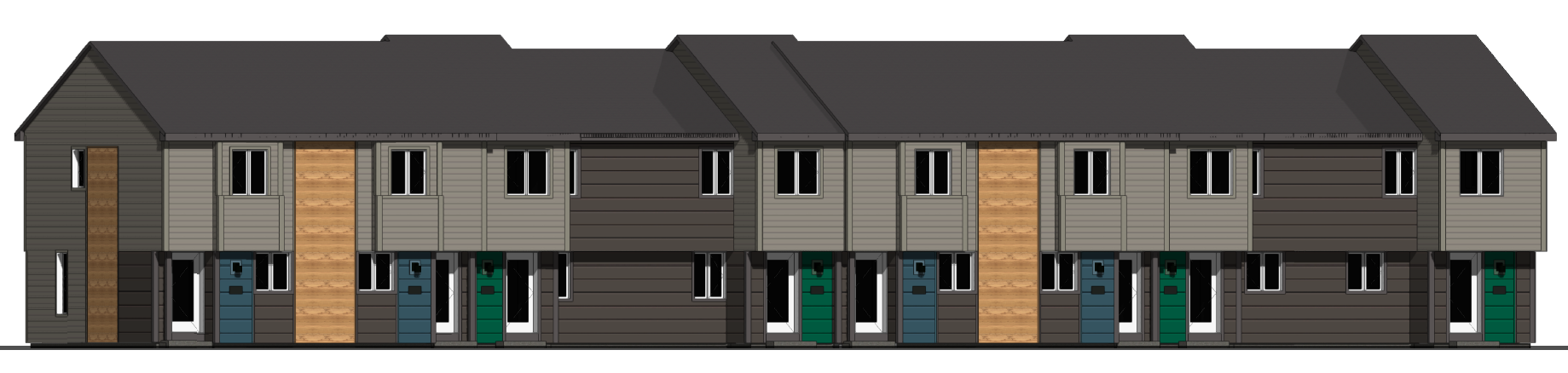
DUNBAR COURT DEEP ENERGY RETROFITS
A feasibility study undertaken in 2024 for deep energy retrofits to 42 affordable townhomes built in the 1980’s. It was determined that retrofits to the existing housing stock would greatly improve building efficiency and reduce emissions while allowing residents to remain in place. Exterior building envelopes, mechanical system upgrades, potential solar panel installation, and comparative energy modeling were undertaken as part of the study.
This project was completed in collaboration with Envari Energy Solutions, Cold Climate Buildings, McDonald Brothers Construction, and Nepean Housing Corporation.
STILLWATER RETREAT
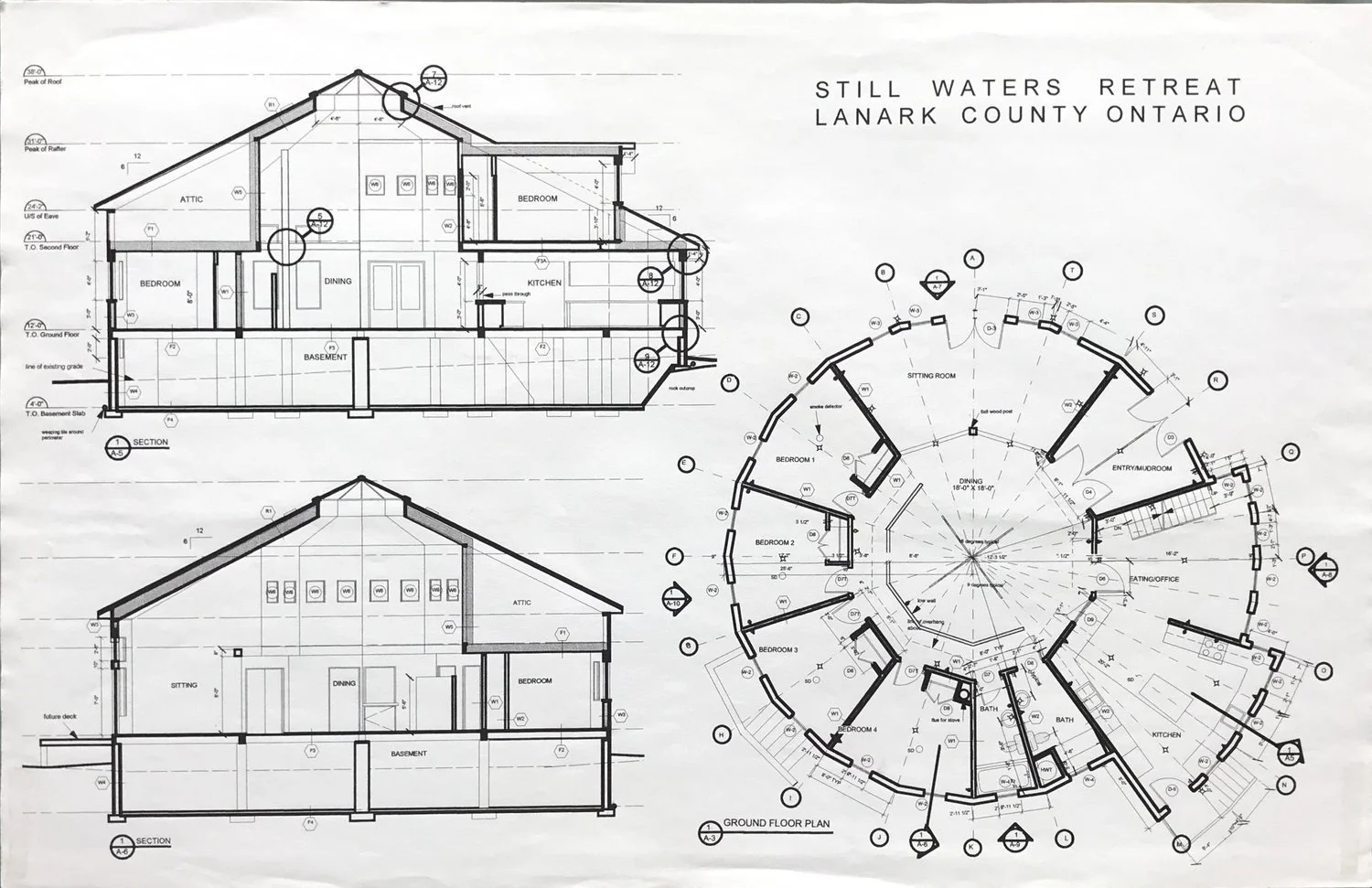
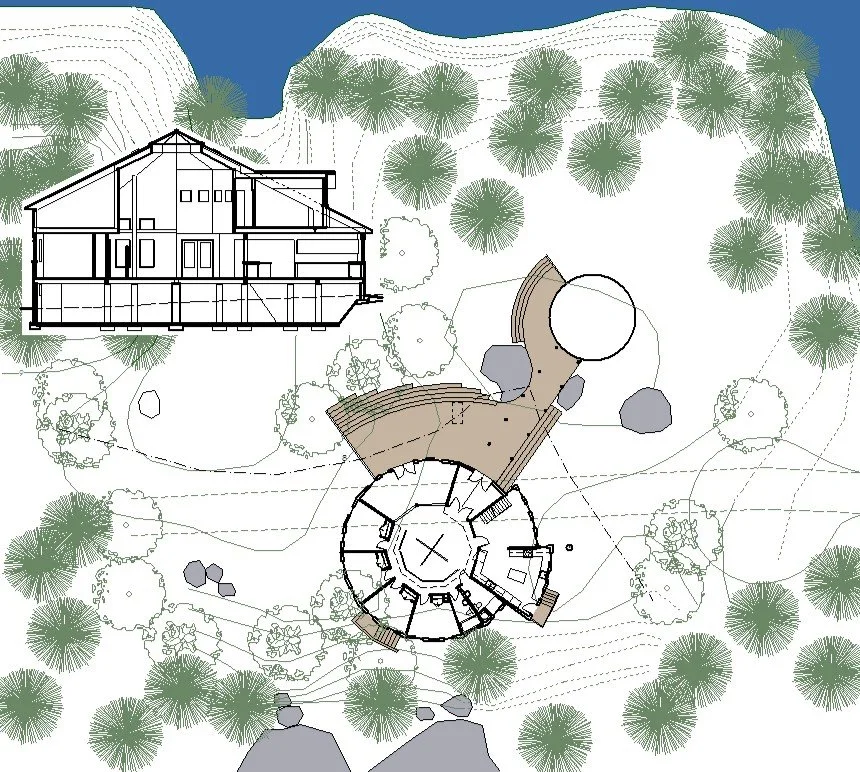
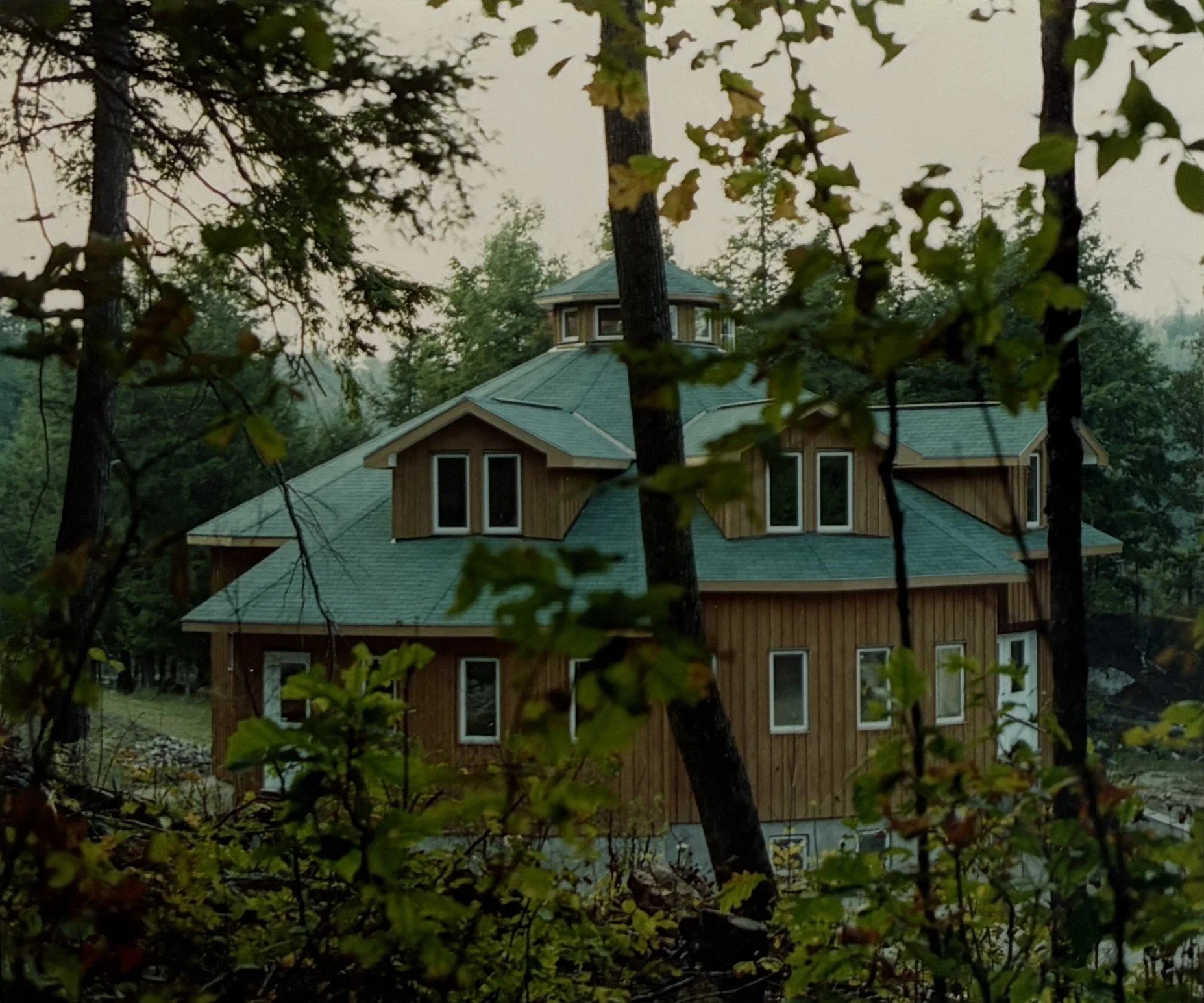
An off-grid, 12 room wilderness retreat in the Lanark Highlands was designed for family use and for groups of up to 20 people. Accommodation is provided in a large central building and yurts scattered across the property. This project incorporated solar and wind power, natural hot air ventilation through the roof, and high insulation values. Lumber used for this project was carefully harvested from the site and milled locally.
BELGIAN EMBASSY
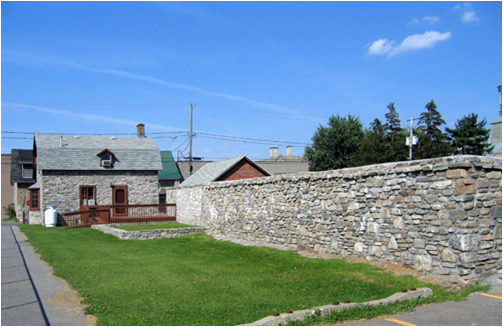
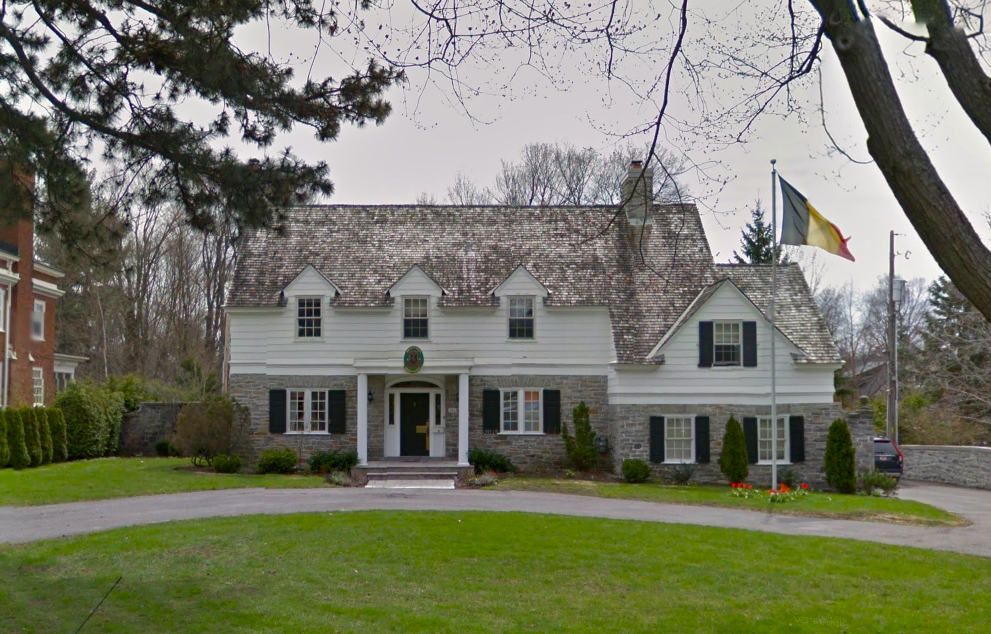
A retrofit of the Belgium Ambassador’s residence to solve significant comfort and organizational issues in the existing building. Work included improvements to the private and public portions of the residence, complete refurbishment of the building enclosure and mechanical equipment including new insulation, roofing, doors, siding, and decks based on the results of an energy audit, designed within the parameters of the heritage district.
Let’s Build a More Sustainable Future
If you’re planning an energy retrofit, off-grid project, or environmentally focused development, JoT Architecture offers the research expertise and design innovation to bring your vision to life. Contact us to learn how we can help you reduce your project's impact — and maximize its potential.
Architecture Informed by Environmental Research
Our sustainability research supports smarter, more informed design. We assess lifecycle and operational carbon, model future scenarios, and develop low-impact strategies at the building and community scale.
Our research initiatives include:
A CMHC-funded project that analyzed household environmental impact and achieved a 12% GHG reduction across 100 homes.
National-scale modeling of housing types and neighborhood layouts, exploring future emissions scenarios through to 2025.
A long-term evaluation of urban planning, cultural context, and architectural approaches for Indigenous-led development.
These insights directly inform our design decisions — from materials and energy systems to land use and infrastructure.
Built Projects with Environmental Impact
We apply our research findings through innovative design that pushes the boundaries of sustainability and resilience.
Highlighted projects include:
A deep energy retrofit feasibility assessment for 42 affordable townhomes, including energy modeling, solar potential, and mechanical system upgrades.
An off-grid wilderness retreat powered by solar and wind energy, built with locally harvested wood and passive ventilation systems.
Energy audit-driven improvements to a heritage residence, including new insulation, roofing, siding, and mechanical systems — blending performance with heritage sensitivity.
Each project demonstrates how sustainable design can reduce emissions, enhance comfort, and respect the integrity of people and place.
Advocacy, Knowledge Sharing, and Collaboration
We believe that advancing sustainability in the built environment requires systemic change.
That’s why we contribute to:
Environmental policy development
Cross-disciplinary collaborations with energy consultants and researchers
Public education through presentations, reports, and exhibits
Design standards that exceed current code requirements
From project conception through post-occupancy evaluation, JoT’s integrated process ensures environmental thinking is embedded at every phase.